Design You Can Smell, Touch, and Hear
Why Multisensory Rooms Feel Instantly Better
Scent Awakens Memory and Presence
Your sense of smell connects closely with memory, so the right aroma can transport you instantly while still holding you in the present moment. A whisper of citrus brightens mornings, while resinous woods slow the evening. Keep intensity low, layer thoughtfully, and let a signature fragrance cue transitions, gratitude, and repeatable, meaningful routines.
Texture Grounds the Body and Eases Stress
Tactile variety tells your body it is safe to exhale. Imagine stepping from a cool, smooth threshold onto a plush runner, then resting into a textured knit. Contrasting surfaces stimulate without fatigue, inviting movement and pause. Prioritize contact points—handles, throws, cushions—to create micro-comforts that welcome hands, shoulders, and bare feet home.
Scent Architecture for Everyday Life
Zone and Layer Without Overwhelming
Begin with barely-there strength, then layer supporting notes so nothing fights for attention. Keep energizing brightness near entry and work surfaces, while calmer woods or florals nestle into lounge and bedtime corners. Open windows regularly, test placements at different times of day, and adjust until your nose notices harmony more than heroics.
Mindful Materials, Safety, and Ventilation
Choose quality waxes, carrier bases, and essential oils thoughtfully, and avoid overpowering blends that linger too long. Ventilate during and after fragrance use, trim wicks, and place heat sources away from airflow or textiles. For sensitivities, try unscented cleaners, dried herbs, or citrus peels, achieving freshness through housekeeping, plants, and meaningful moderation.
Seasonal Stories and Tiny Daily Rituals
Let seasons shape your playlist of fragrance moments. Citrus and mint enliven spring cleaning, herbs and florals celebrate long evenings, spices hug autumn, and resinous woods calm winter. Anchor usage to tiny rituals—brewing tea, journaling, stretching—so scent marks time gently, becoming a supportive companion rather than a constant, unfocused background presence.
Texture Layers that Invite Touch




Soundscapes that Soothe and Focus
Room-by-Room Playbook
Welcoming Entryways
Keep it clean and bright with a subtle citrus or herbal note near airflow, never directly by the door. Use a textured runner to ground arrivals and a soft hook or tray for pocket rituals. A small chime or gentle playlist cue signals transition, encouraging slower breath before the home’s next chapter begins.
Living Rooms that Hold Conversation
Use mid-weight curtains, bookshelves, and plush cushions to tame echo so voices land easily. Choose a relaxed, low-intensity scent—think soft woods or tea—then reserve lively notes for gatherings. Keep background audio calm, foreground moments spontaneous. The room becomes a host that listens, allowing stories, laughter, and comfortable silences to take center stage.
Inclusive, Safe, and Sustainable Practices
Designing for Allergies and Sensitivities
Offer fragrance-free days, rely on cleanliness and fresh air, and keep intensity low when scent is present. Use natural fibers that breathe, avoid dust-trapping clutter, and vacuum regularly with HEPA filtration. Provide alternatives—like dried herbs, citrus peels, or unscented soaps—so comfort remains universal, signaling that health and hospitality come before decoration.
Pet- and Child-Friendly Choices
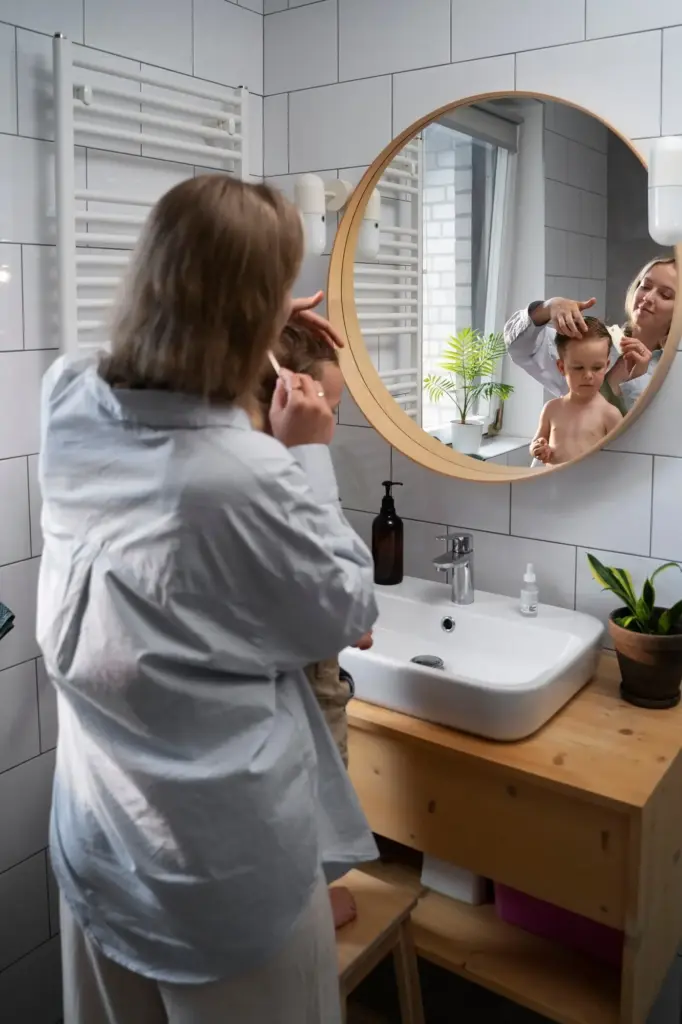
Secure candles, keep diffusers out of reach, and verify oil safety around animals. Choose durable, washable textures where play happens, and avoid sharp-edged hardware at toddler height. Select resilient rugs, machine-washable throws, and stable lighting. Soundscapes should allow clear communication with kids and quiet cues for rest, reinforcing rhythms that the whole household trusts.


All Rights Reserved.