Elevate Small Spaces with Sophisticated Layered Lighting

Today we explore layered lighting strategies for a high-end ambiance in small spaces, uniting ambient, task, and accent illumination to create depth and calm without visual clutter. Expect practical layouts, refined fixture choices, dimming guidance, and finish selections that transform modest rooms into polished retreats. Ask questions, share room photos, and subscribe to receive scene presets, concise product checklists, and future apartment case studies inspired by reader feedback and real design challenges.

Why Layers Matter More When Rooms Are Small

In compact rooms, every lumen must work harder. Layered lighting helps distribute brightness intentionally, reduce glare, and sculpt a graceful hierarchy that reads luxurious rather than crowded. By balancing vertical illumination, targeted accents, and gentle ambient glow, you stretch perceived volume, reveal textures, and guide the eye. This approach prioritizes comfort, clarity, and mood, quietly signaling investment and care even when square footage is limited.
Human vision favors contrast and direction, not raw brightness. When you introduce separate layers—ambient to establish baseline visibility, task for precision, and accent for drama—you shape attention while calming the field of view. Thoughtful ratios prevent hot spots, reflections, and fatigue, allowing surfaces to breathe and corners to feel purposeful. The result is a composed atmosphere that feels larger, lighter, and unmistakably refined.
Luxury in small spaces often means making fixtures disappear while letting the light itself perform. Choose concealed coves, micro-recessed trims, and wall-wash optics that celebrate planes, art, and materials without adding visual bulk. By prioritizing distribution, cut-off, and beam consistency, you celebrate architecture instead of equipment. This reduces clutter, sharpens lines, and delivers an elevated impression that reads effortlessly intentional and calm.
Glare undermines perceived quality faster than almost any other variable. Shield sources, use deep regressions, and respect cut-off angles so eyes relax naturally. Combine low flicker drivers with high-quality dimming curves to avoid harshness at night and give rhythms room to unwind. When comfort leads, finishes look richer, colors read truer, and small rooms feel welcoming rather than clinical or overlit.

Ambient Layer: Seamless Glow Without Bulk

Ambient light should be the quiet foundation, never the loudest voice. In tight footprints, aim for a soft, even wash from coves, perimeter grazers, or low-profile linear profiles that vanish into details. Use indirect bounce to lift ceilings, calm shadows, and set an elegant base level. Keep lumens gentle, spacing precise, and color temperature warm enough to flatter materials while avoiding heavy hardware that steals precious visual space.

Task Layer: Precision Where It Matters

Task lighting concentrates light exactly where activities occur, letting the ambient layer remain calm. In small rooms, this prevents the over-brightening that flattens character. Think targeted under-cabinet lines, focused reading lamps, adjustable desk lights, and mirror-friendly vertical sources. Prioritize proper beam spread, minimal glare, and intuitive reach. When tasks are crisply supported, the rest of the space can breathe with hotel-level poise.

Kitchens and Compact Work Zones

Under-cabinet linear strips eliminate counter shadows and keep knives, measurements, and textures clearly visible. Choose continuous diffusion, sufficient lumens, and high color rendering so produce looks fresh and finishes stay honest. Add slim task pendants over islands, but scale their diameters carefully to avoid crowding. Provide a separate dimming channel from general lighting, ensuring late-night tea feels cozy while meal prep remains precise and safe.

Reading Nooks and Bedsides

Aim reading lights to the page, not the partner. Use adjustable heads with cut-off optics and warm tones for nighttime calm. Wall-mounted swing arms free surfaces and reduce clutter, while recessed micro-spot pinholes can tuck neatly above shoulder height. Keep switches within easy reach, and link a low-level night scene to avoid disruptive glare. This tailored control feels bespoke and incredibly considerate in small bedrooms.

Vanity and Mirror Clarity

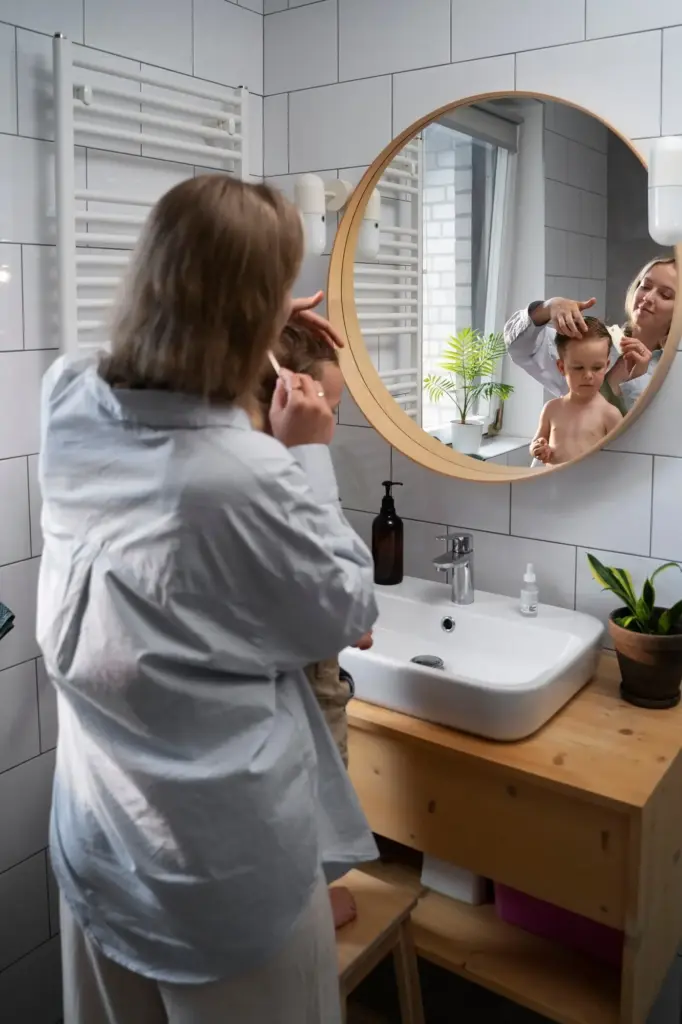
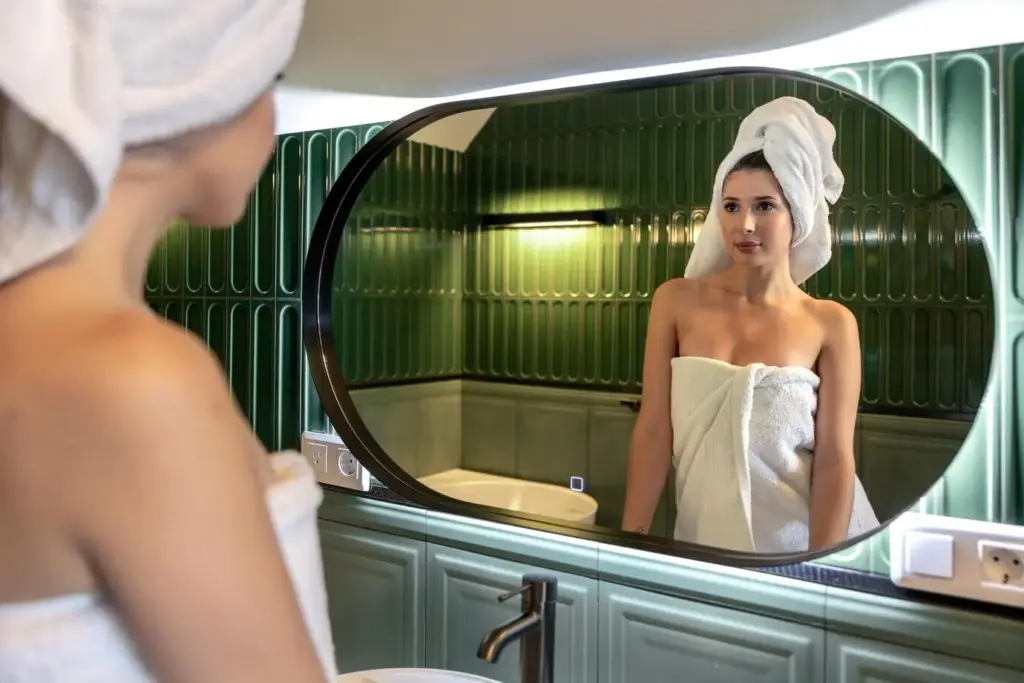
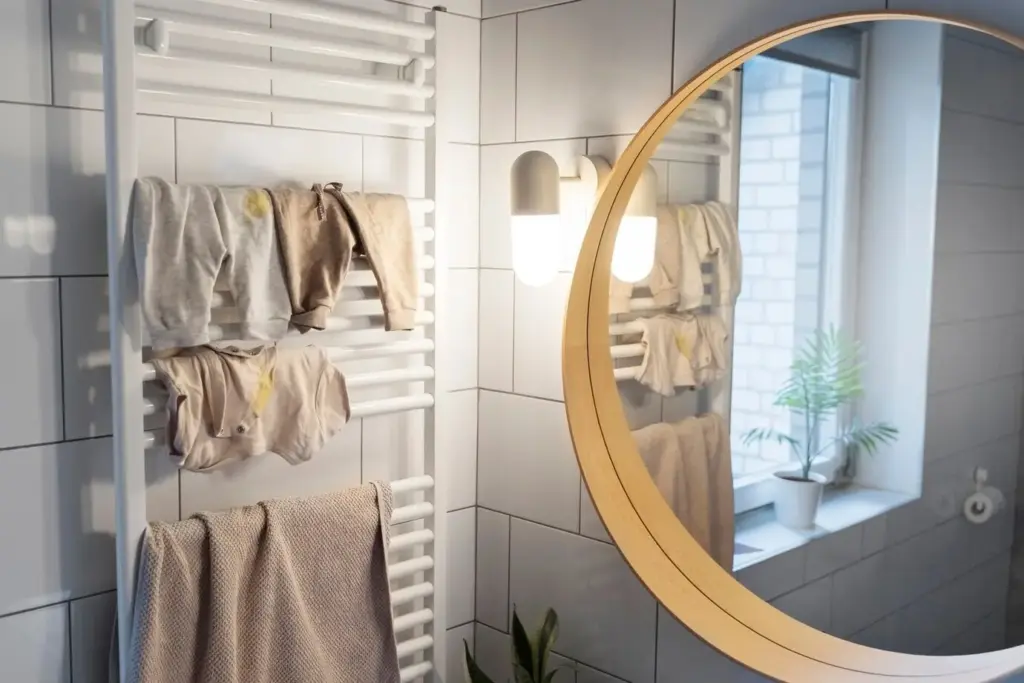
Even, vertical illumination at face level is essential for grooming accuracy. Pair flanking sconces or integrated mirror lights with high color rendering to represent skin tones faithfully. Avoid downlights directly over the forehead, which create harsh shadows. Include a lower-output evening setting and, if possible, warm-dim functionality to preserve relaxation. This nuanced approach delivers boutique-hotel polish in the most compact bathrooms and powder rooms.
Art That Glows, Not Glares

Use adjustable spots with tight, clean beams and high color rendering so pigments breathe. Aim from a shallow angle to minimize specular glare on glass, and fit honeycomb louvres when needed. For oversized canvases, consider dual fixtures to balance coverage. If ceilings are low, track mini-spots can remain nearly invisible. A gentle accent ratio above ambient creates depth, inviting quiet contemplation and a gallery-like presence.

Textures and Architectural Relief

Raked light across stone, fluted wood, or plaster relief brings shadows alive and heightens tactile appeal. Keep fixtures slightly offset to exaggerate contour without blinding sightlines. Test aim during dusk to gauge contrast in real conditions. When applied sparingly, these accents become signatures that read bespoke, transforming modest stretches of wall into sculpture while preserving the calm, uncluttered foundation established by the ambient layer.

Botanicals and Object Vignettes

A soft, narrow beam on a plant or sculpture adds intimacy and scale. Choose warmer tones for organic materials and neutral whites for ceramics or metallics. Conceal equipment within shelves or ceiling pockets to maintain quiet sightlines. Small pedestals, styled trays, or niche displays come alive under precise illumination, giving the room an editorial quality that feels intentionally assembled rather than accidentally eclectic.

Color Temperature, Dimming, and Mood Calibration

Fine-tuning the mood means controlling not just brightness, but tone. Warm-dim sources and selectable white ranges help spaces transition from productive mornings to relaxed evenings. Flicker-safe, low-noise drivers maintain wellness and comfort. Group ambient, task, and accent layers on separate, clearly labeled controls. When color, intensity, and timing coordinate, small rooms flow like boutique suites, supporting routines without sacrificing that coveted, high-end glow.

Choosing and Blending CCT

For living areas, 2700K to 3000K flatters materials and skin while keeping evenings gentle. Blend cooler task light sparingly where precision matters, ensuring transitions are graceful. Keep dim-to-warm sources consistent across families to avoid mismatched tones. In mixed-use studios, day scenes can bias slightly cooler for clarity, while night scenes lean warmer and lower to restore calm and invite deeper rest.

Dimming Curves and Drivers

Luxury dimming feels smooth, silent, and predictable. Specify low flicker, deep-dimming drivers matched to control protocols that suit your project. Verify compatibility to avoid stepping, buzzing, or color shifts at low levels. Provide separate channels for ambient, task, and accent layers, enabling nuanced scenes. When dimming is elegant, even economical fixtures can read premium, especially in intimate rooms where every transition is noticed.

Color Rendering and Consistency

High color rendering reveals natural finishes and art with honesty. Aim for CRI 90+ and strong R9 values so reds, leathers, and woods feel rich. Specify tight binning for uniformity across runs, avoiding distracting shifts between fittings. In small spaces, subtle inconsistencies become obvious quickly. By holding a strict standard, the whole environment feels cohesive, sophisticated, and deliberately crafted from morning light to midnight glow.

Materials, Surfaces, and Reflective Magic
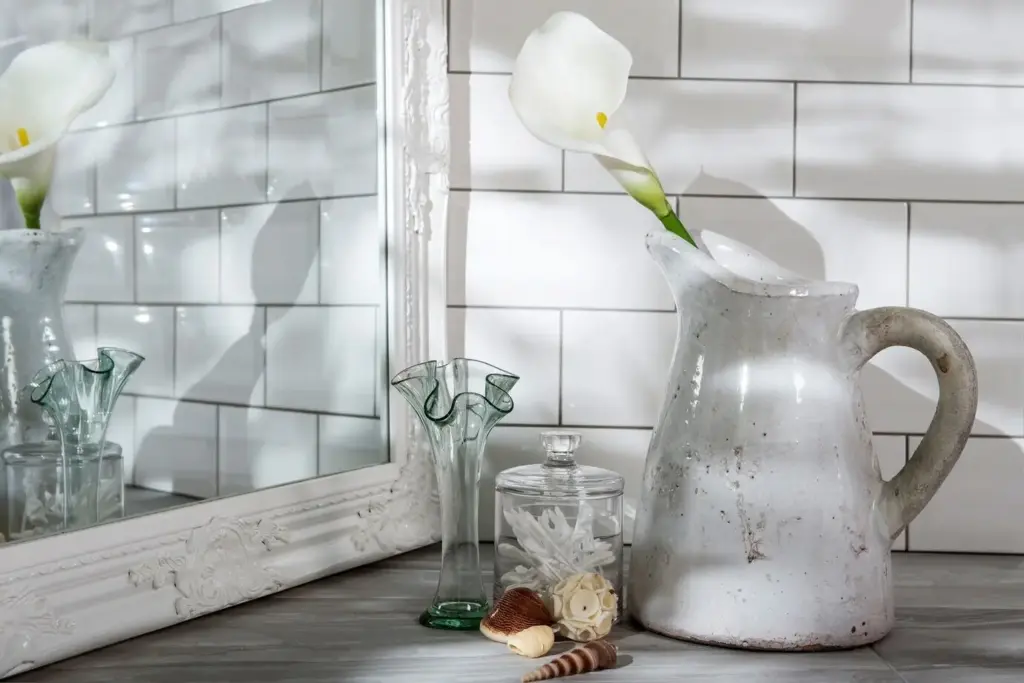
Light is only as beautiful as what it touches. Choose reflective strategies that multiply brightness without glare: soft sheens, satin metals, and thoughtful mirrors. Balance matte elements to control bounce and emphasize texture. Integrate micro-linear profiles into shelving and toe-kicks for floating effects. In modest footprints, these choices create glow paths and depth cues that read luxurious, guiding movement and framing exquisite little moments.
Lezoxizumekuki
Privacy Overview

This website uses cookies so that we can provide you with the best user experience possible. Cookie information is stored in your browser and performs functions such as recognising you when you return to our website and helping our team to understand which sections of the website you find most interesting and useful.